Commercial Roofing in Jacksonville Maintenance Checklist for Businesses
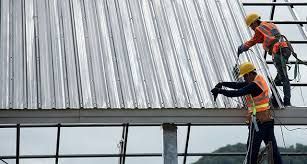
Commercial Roofing Maintenance is more than just leak repair – it’s about protecting the building, the employees, and the customers. If you are a commercial property owner or manager, learning about commercial roofing in Jacksonville and how to maintain it can save you thousands of dollars in unexpected repairs down the road.
Below is a
question-and-answer-style commercial roofing maintenance checklist that has been specifically tailored to the Jacksonville climate to help your business stay protected all year long.
Why is Commercial Roof Maintenance Important in Jacksonville?
The Jacksonville climate is characterized by heavy rainfall, high humidity, strong sunlight, and storms. All these factors put constant pressure on commercial roofs.
Ifcommercial roofing in Jacksonville is not properly maintained, it can deteriorate quickly due to:
Water Damage- Mold Growth
- Structural Damage
- Disruptions to Business
- Emergency Repairs
How Often Should Commercial Roofing be Inspected in Jacksonville?
For a successful
commercial roofing inspection in Jacksonville:
Twice a year (spring and fall)- After a major storm or hurricane
- Before the start of the hurricane season
Regular inspections help detect minor issues before they turn into major issues.
What Should be Included in a Commercial Roofing Maintenance Checklist?
A good checklist for
commercial roofing in Jacksonville should have a number of points that check for local conditions.
Are Roof Drains and Gutters Inspected Regularly?
Clogged drains are one of the leading causes of roof damage.
For
commercial roofing in Jacksonville, always:
- Clear debris from drains and gutters
- Ensure that water flows freely
- Check for standing or frozen water
- Check the spit pads for obstructions
Standing water can damage the roof coating and cause leaks.
Is the Roof Membrane in Good Condition?
The roofing membrane is the main waterproofing component of commercial roofs in Jacksonville.
Look for:
- Cracks, holes, or tears
- Development of blisters or bubbles
- Shrinkage or separation of seams
- UV damage from sun exposure in Florida
Any damage to the roof membrane must be repaired immediately by a qualified commercial roofer.
Are Ceiling Fittings Secure and Tight?
Flashing protects roof edges, HVAC units, vents, and skylights.
For long-lastingcommercial roofing in Jacksonville, see:
- Loose or elevated gloss
- Cracked sealant
- Rusty metal glitter
- Insulation around the roof penetration
Most roofing leaks occur at the flashing points, not the roof surface.
Are HVAC units and roof equipment Damaging the Roof?
Commercial Roofing Maintenance is more than just leak repair – it’s about protecting the building, the employees, and the customers. If you are a commercial property owner or manager, learning about commercial roofing in Jacksonville and how to maintain it can save you thousands of dollars in unexpected repairs down the road.
Below is a
question-and-answer-style commercial roofing maintenance checklist that has been specifically tailored to the Jacksonville climate to help your business stay protected all year long.
Why is Commercial Roof Maintenance Important in Jacksonville?
The Jacksonville climate is characterized by heavy rainfall, high humidity, strong sunlight, and storms. All these factors put constant pressure on commercial roofs.
Ifcommercial roofing in Jacksonville is not properly maintained, it can deteriorate quickly due to:
Water Damage- Mold Growth
- Structural Damage
- Disruptions to Business
- Emergency Repairs
How Often Should Commercial Roofing be Inspected in Jacksonville?
For a successful
commercial roofing inspection in Jacksonville:
Twice a year (spring and fall)- After a major storm or hurricane
- Before the start of the hurricane season
Regular inspections help detect minor issues before they turn into major issues.
What Should be Included in a Commercial Roofing Maintenance Checklist?
A good checklist forcommercial roofing in Jacksonville should have a number of points that check for local conditions.





