Jacksonville Roofing | What Quality Work Looks Like From the Top Down
October 26, 2026
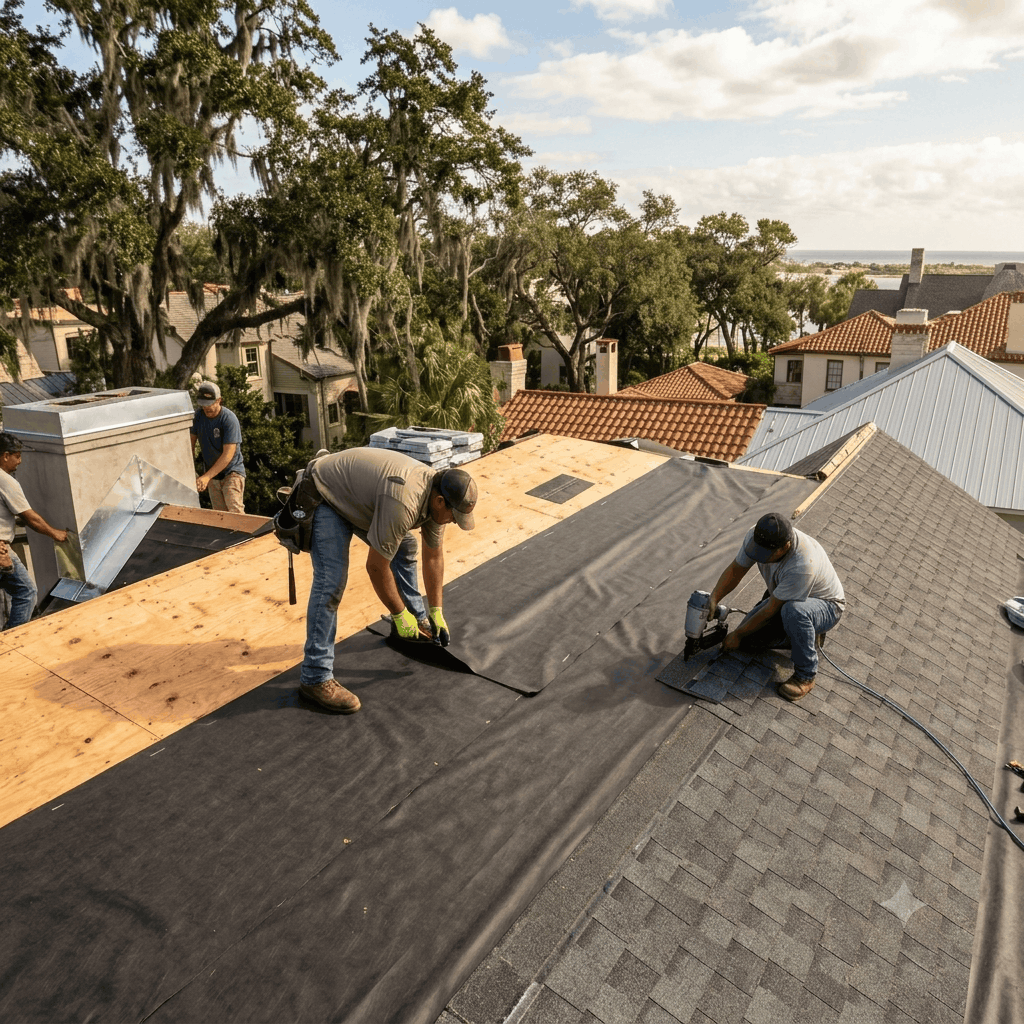
Your roof is not just the shingles or panels that you see on top of a building. The rest of the system, the materials beneath, the sealant applied, the function of the eaves and downspouts, and the integration of all of its parts all determine how your roof performs. And in Jacksonville, Florida, it's the details that count.
The homeowner and commercial building owner alike can benefit from an understanding of roofing quality so that they can make an informed decision about when a repair is appropriate and when a replacement should be considered. Finding a Local Roofer Jacksonville Florida residents can trust means moving beyond good ad copy.
Quality Roofing Starts With Understanding Jacksonville Properties
No two buildings will have the same roofing needs. What's right for a single-family home with asphalt shingles may not be what's best for a commercial facility with a low-slope roof, rooftop equipment and multiple drains.
Bad Weather: Winds, rain, and sun all present their own problem, with roofing materials susceptible to winds and being blown away, and weighty rainfall can reveal weak points around flashing, and sun can cause degradation in materials.
A professional Local Roofer Jacksonville Florida clients depend on should understand the structure of the building, the age of the roof, the material currently in use, and the conditions in the area to find out what type of work is needed to fix it. This avoids having a roof repaired in the same manner.
It is the roof designs and exposure to weather conditions that also help determine how each construction being built can impact the specific local roofer Jacksonville Florida resident select can also assist.
The Facts About a Correct Roofing Installation
A professionally installed roof is more than just panels or shingles atop a surface. The details like flashing, fastener pattern, edges, underlayment and sealed penetrations all play a part in the finished product of a roofing system.
The example of flashing, which is placed around vents, chimneys, skylights and intersections of walls, is to divert water further away from the following. You could have a bad leak even though most of the roof is in good shape, if the details are laid improperly.
Moving water away from the roof is also crucial. It should be drained in a way that it doesn't pool in a location that causes premature material breakdown or leaks.
Manufacturing excellence involves caring for these lines as much as the completed surface. Ask your contractor how they plan to install the work, what products will be used, and how they plan to check the finished job.
Choosing Roofing Materials For Your Property
Cost, aesthetics and performance requirements determine the best roofing material for the project. Within residential markets, asphalt shingles continue to be the most popular overall because of its broad selection of designs and prices. It also offers a comparison to metal roofing, which provides durability and aesthetic choices with less maintenance.
Commercial buildings often have unique low-slope roofing needs which may vary based on the nature of the building and its drainage requirements.
It is important to have an assessment completed by a professional outlining the pro's and con's of each option. Material selection will need to consider manufacturer specifications, relevant building codes, installation requirements and warranty conditions.
Anyone about to compare estimates is attempting to know the entire roofing process. Provide information about the whole methods from roof prep work, flashing, along with underlayment to roof repairs before installing a roof.
A direct comparison makes it easier to see what is included in each estimate, rather than being tempted to choose the cheapest.
Roof Inspections Should Detect More Than Damage You Can See
Some issues, like missing shingles, broken panels, and ceiling leaks, are easily visible. Some, however, are slow to form and hide until they have caused a lot of damage.
An expert assessment can examine visual roof materials and flashing, roof penetrations, valleys, drains, and other areas that may be susceptible to damage. If within reach, the evaluator can check for problems with the roof deck or other underlying parts.
Once a fierce storm has subsided, it's a good idea to get an inspection to see if the wind or rain has compromised the roofing system. Also, look for ceiling stains, peeling paint, wet insulation, and frequent leaks.
Such symptoms do not necessarily result in a full replacement. The correct advice will be based on the cause, severity and size of the damage.
A trustworthy Local Roofer Jacksonville Florida people ought to utilize must be able to describe the findings in layman's terms, identify what repairs are required and guide individuals to contrast practical alternatives.
A Local Roofer Jacksonville Florida residents are able to call for to get a professional assessment and can also help them understand the degree of damage and the repairs that might be necessary.
Knowing When to Repair and When to Replace
Not all roofing problems call for a replacement roof. If the leaking area is isolated, or if a small area of missing shingles or failing flashing, the materials near the problem are in decent shape.
But if significant deterioration, frequent leaks, major damage to material, or problems to several parts of the roof are present, then replacement might be appropriate.
Consider the age, repair history, condition, and potential future cost of repair of the roof in question. An inspection by a certified technician will allow you to determine if a specific repair is worthwhile or if replacement will be the more cost-effective choice.
For businesses, a commercial property decision may also have to take into consideration business functions, equipment, and the expense of interruptions resulting from the water intrusion.
Before authorising any work, get a written quote detailing the suggested repairs or replacement, including materials, labour and any extra costs involved. If you find any damage as the work progresses, check how it will be recorded and if permission is required before it is repaired.
What to Anticipate From a Roofing Contractor
There is more to a roofing experience than a job well done. Communication, documentation, preparation, and clean-up are also critical elements.
Prior to beginning work, both owners and contractors should identify project scope, anticipated timeline, payment schedule, warranty coverage and relevant permit needs. Contractors should also address how landscaping and outdoor furniture, vehicles and neighboring property will be safeguarded during work.
Check on the contractor's Florida license, coverage and written contract before giving the go ahead to the job. If you have questions about the estimate or the suggested fix does not identify what caused the problem, ask.
To be assured of the quality work that a Local Roofer Jacksonville Florida is offering, property owners can request photographs of the damage, details of the work, and check which repairs are necessary.
Good Local Roofer Jacksonville Florida clients trust will also be transparent when it comes to project timelines, and what type of materials that will be used and the overall scope of work.
These specifications help set more reasonable expectations and make it easier to compare contractors based on something other than cost.
Maintaining Your Roofing Performance
A roof that is installed correctly still needs maintenance. Through regular inspections, small problems can be caught early, saving you money and time, and may prevent larger repairs. After major storms, property owners should perform a visual inspection from the ground and schedule an inspection from a roofing professional if they notice anything irregular.
Ensure that gutters and drainage routes are kept clear of debris to avoid water building up around the building. Remove tree branches and overhanging trees that may cause debris build up or damage to the roof.
Don't try high-risk roof inspections yourself or cleaning techniques that could lead to damage of roofing materials. Use the manufacturer's suggested maintenance procedures and document inspection, repair, invoices, and warranties.
Following these steps allows property owners and managers to make the best decisions on roof maintenance needs and future costs.
A Better Roof Starts with Better Choices
Good roof quality comes from choosing the right materials, good installation, diagnosing the right problems and paying attention to the details that protect a building from the weather. As a property owner in Jacksonville, you are in a good position to measure proposals and workmanship.
No matter if you have a roof leak, are planning to replace a roof, or are evaluating the condition of a commercial roofing system, first get an assessment and an explanation of the options.
The right roofing decision isn't just about the appearance of your completed roof; it's about how the overall system has been designed, installed and maintained to be sure it will serve your property for years to come.
In the event you require the services of local roofer Jacksonville Florida homeowners rely on for guidance, rely on a clear estimate, experience that's relevant, the right materials, and an outlined scope of work. These can all help you make a confident choice based on your house's actual needs instead of price alone.

The body content of your post goes here. To edit this text, click on it and delete this default text and start typing your own or paste your own from a different source.





